Practically tested fundamental knowledge as an anchor for innovation
This year, TU Delft will launch a follow-up study on biological groundwater purification, building on the "Redox Filter" project. This research focuses on the interaction between purification processes, highly loading systems, and new purification concepts that will benefit the drinking water sector.
Biology as a cornerstone of water purification
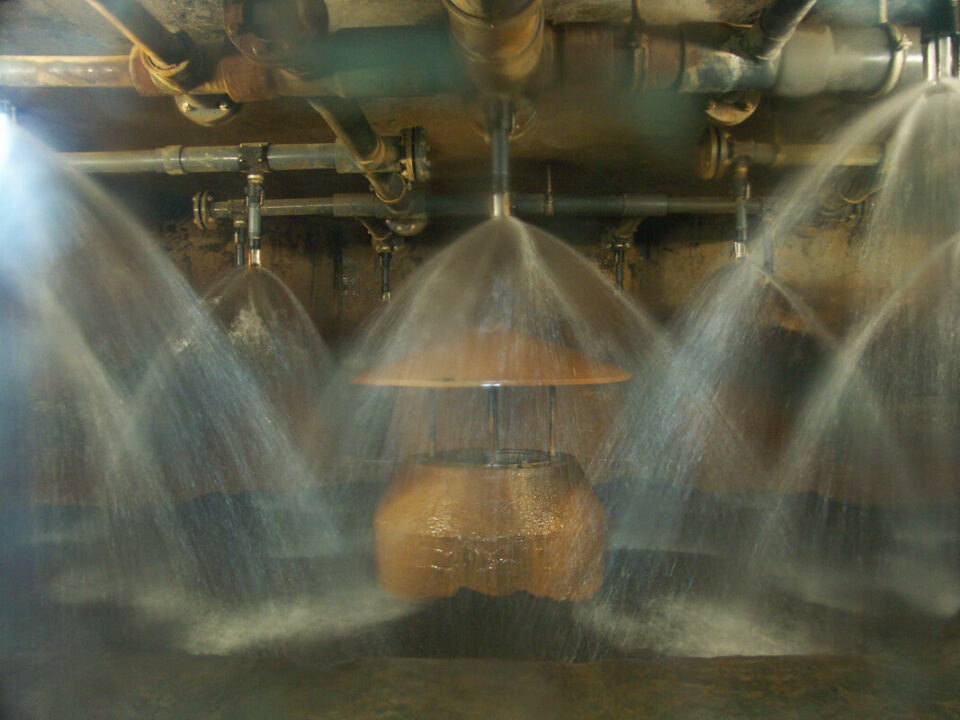
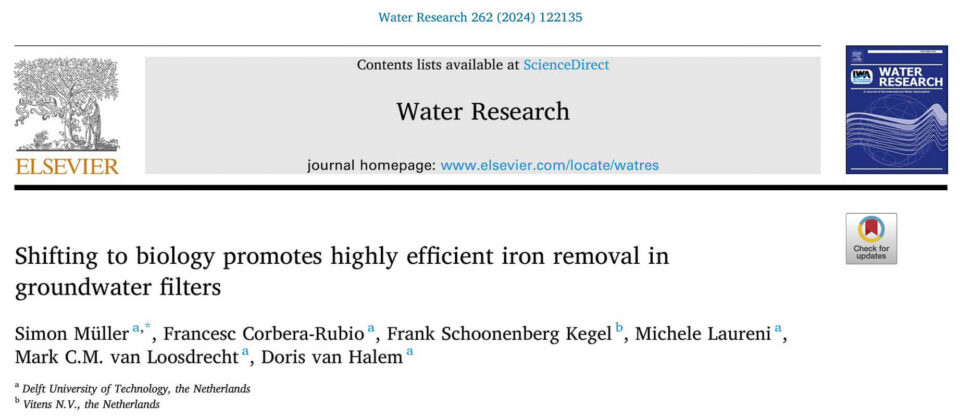
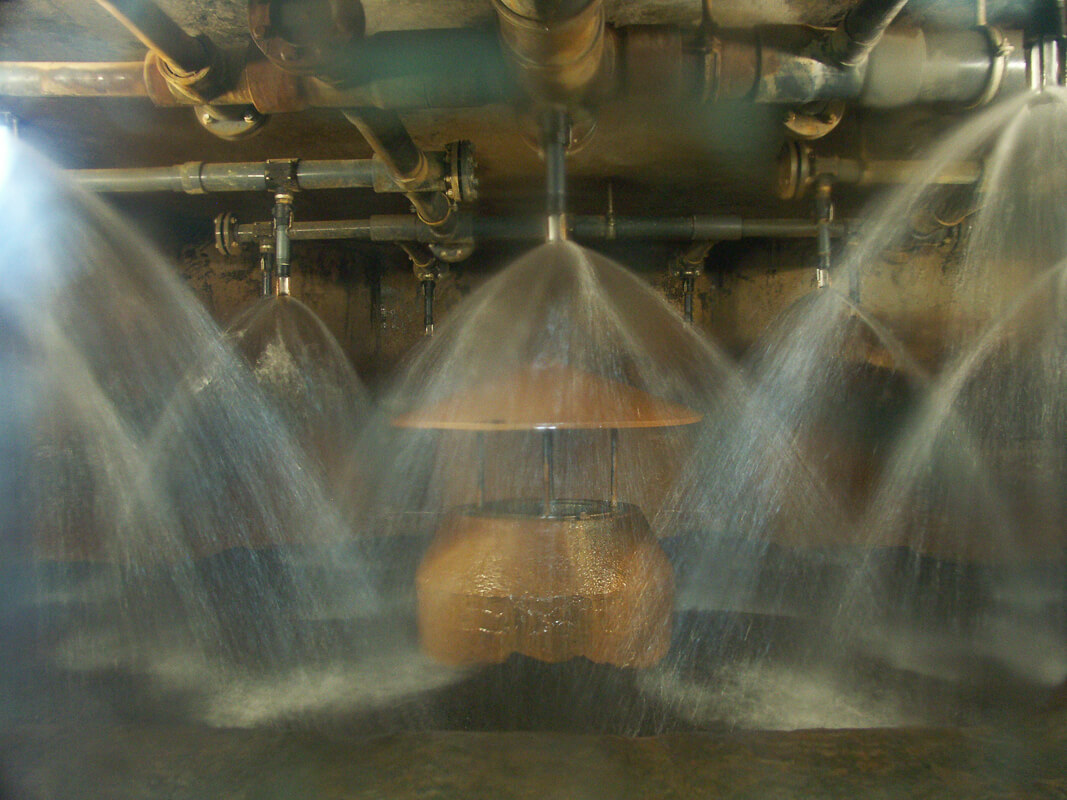
The innovations in my work have always arisen from the interplay between fundamental knowledge development and practical application. A common thread for me in over 30 years of R&D has been the purification of anaerobic (oxygen-free) groundwater into drinking water. For over a century, this has been done worldwide, including in the Netherlands, primarily using sand filters, which effectively remove the typical groundwater components methane, iron, manganese, and ammonium. These seemingly primitive systems are actually highly complex physicochemical and biological reactors. It is often assumed that biological processes in these systems are marginal, if not negligible, and should be avoided wherever possible. However, during decades of applied research in groundwater purification and my PhD research (2006-2011) at the Water Management and Environmental Biotechnology departments of Delft University of Technology, I was surprised to discover that microbiology plays an important, if not dominant, role in most cases (Figures 1 and 2). This insight is crucial because biological systems require different design, operation and management (O&M) principles than physical-chemical filters. Even more importantly, the discovery was that biological systems are often more efficient, thus offering greater hydraulic capacity (i.e., a smaller footprint) and better and more robust purification performance than their physical-chemical counterparts. The knowledge and value of biological sand filters has been deepened in recent years by a broad-based sand filtration study conducted in collaboration with the universities of Delft, Nijmegen, Utrecht, and Wageningen (RedOx Filter project).
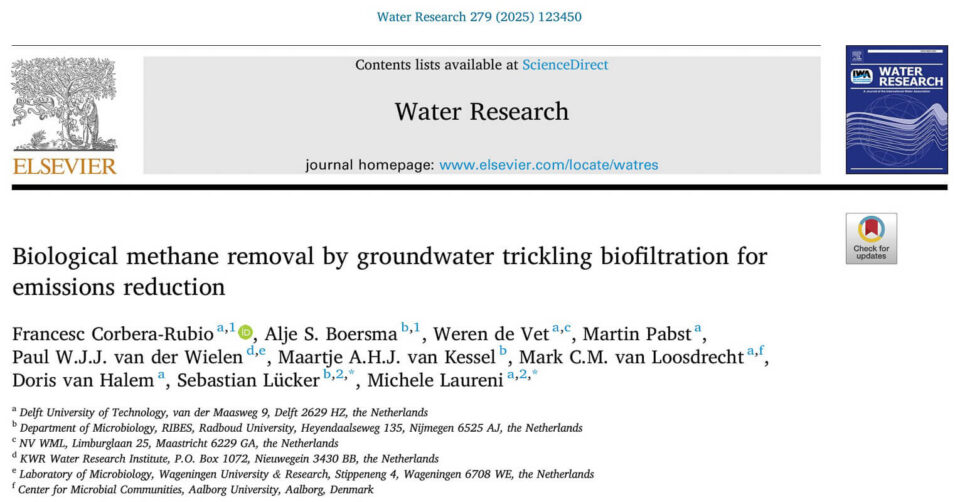
For certain parts of the world (including the Francophone region and Flanders), the high efficiency of biological groundwater treatment is no news, but for the vast majority of the world, including the Netherlands, it is (see Figure 3). Furthermore, biological groundwater treatment has been shown to yield benefits by reducing greenhouse gas emissions (see Figure 4).
Further development of biological purification techniques with great potential
My own research, results from the recently completed "Redox Filter" research project, and questions from the sector offer a unique opportunity to both broaden and deepen our knowledge of biological groundwater purification and develop innovative applications that advance the drinking water industry. Within my company, and in close collaboration with interested parties from the water sector and research community, I will be developing a research proposal for this purpose in the coming period, based on the Environmental Engineering departments of Delft University of Technology, where I have been affiliated for quite some time. Funding is being sought for this project, including funding from the Open Technology Programme of the Netherlands Organisation for Scientific Research (NWO-OTP 2026). Key areas of focus include highly stressed systems, interaction between purification processes, pre- and post-treatment of membrane filtration techniques, biological fouling and stability, and new purification concepts.
Please feel free to contact me if you see opportunities for collaboration.